
"global coffee roasting"
3000 article(s) found

Global coffee producing area-New Caledonia
New Caledonia (NewCaledonia) is a former French colony, with only 10 per cent of the land available for farming, with coffee and corn being its main crops. In 1860 missionaries introduced coffee from LaReunion. Coffee producing area of New Caledonia: the variety of coffee beans grown in New Caledonia is the extraordinary Robbite coffee. The specialty of New Caledonia Coffee

Global coffee producing area-New Caledonia
New Caledonia (NewCaledonia) is a former French colony, with only 10 per cent of the land available for farming, with coffee and corn being its main crops. In 1860 missionaries introduced coffee from LaReunion. Coffee producing area of New Caledonia: the variety of coffee beans grown in New Caledonia is the extraordinary Robbite coffee. The specialty of New Caledonia Coffee

2019 Boston SCA Global boutique Coffee Expo to see the trend of the coffee industry
Professional coffee knowledge exchange more coffee bean information please follow the coffee workshop (Wechat official account cafe_style) 2019 SCA Global boutique Coffee Expo will be held in Boston, USA. Hundreds of roasters, retailers and many coffee lovers attended the four-day fair from April 11 to 14. As a major international event in the coffee industry

Global coffee producing area Indonesian coffee market
In the mid-17th century, coffee trees were introduced to Indonesia by the Dutch (some official sources believe that earlier). The first batch of coffee from Java was sold to Amsterdam in 1712. However, coffee trees in all plantations were destroyed by coffee rust in 1877, and Robart coffee trees had to be introduced from Africa to replace the original species. Today, only 6% of the coffee beans and 10% of the coffee beans are Arab.

The global distribution of coffee the growth habits of coffee
Coffee is a kind of drink that gives the public the impression that it is black, bitter, sleepless and excited. The coffee beans we see in the coffee shop are tea-brown, which belongs to roasted coffee beans, while the color of the coffee liquid is amber. Coffee comes from coffee beans, which are harvested and processed from the fruit of trees.] Distribution of coffee: coffee

Global coffee buyers seek direct deals with Kenyan farmers
Kenya is divided into seven provinces (Province) and one provincial district (Nairobi Province). The province is divided into districts (DISTRICT), townships (DIVISION) and villages (LOCATION). According to the new Constitution, the four-tier administrative structure will be changed to two levels, central and county (COUNTY). The 47 districts established under the new Constitution will be fully operational after the 2013 general elections. 7 provinces: Central Kenya

Global Coffee producing area in Yemen
Before the 6th century AD, Yemen was called Arabia, so coffee trees shipped from Yemen to other places were also called Arabian coffee trees. But the origin of these trees is Ethiopia. Yemen is the first country in the world to produce coffee on a large scale as a crop. Today, coffee farmers in Yemen still use the same method to produce coffee as they did 500 years ago.

What brand of coffee beans is good?-Coffee processed with ice honey from Furnas Farm in Petra, Brazil.
Professional coffee knowledge exchange more coffee bean information please follow the coffee workshop (Wechat official account cafe_style) front street-coffee brands recommend Brazilian ice beauty anaerobic ice honey introduction Brazil has been the number one coffee producer in the world for more than 150 years. Today, Brazil grows about 1/3 of the world's coffee trees, and used to account for 80% of the global coffee market.
Global coffee producing area-Indonesia
In the mid-17th century, coffee trees were introduced to Indonesia by the Dutch (some official sources believe that earlier).

Global Coffee producer-Yemeni Coffee Market
Before the 6th century AD, Yemen was called Arabia, so coffee trees shipped from Yemen to other places were also called Arabian coffee trees. But the origin of these trees is Ethiopia. Yemen is the first country in the world to produce coffee on a large scale as a crop. Today, coffee farmers in Yemen still use the same method to produce coffee as they did 500 years ago.

China is expected to become the most potential coffee consumer in the world.
Coffee, as a traditional western drink, has a long history and cultural heritage. The world consumes at least 400 billion cups of coffee every year, and the current annual global coffee consumption is about 10 million tons. Coffee is the first of the three largest drinks in the world, and it is also the second largest trading commodity in the world after oil. Shanpu consulting industry analyst pointed out that the world coffee consumption is about one year larger than cocoa and tea.

Global Coffee Origin-Papua New Guinea
The 1975 frost destroyed most of Brazil's coffee crop, but spurred coffee growth in Papua New Guinea. The Government has introduced a scheme to finance the creation of coffee plantations of approximately 20 hectares by rural or collective landowners. This measure has indeed increased the penetration of coffee cultivation into the local economy, resulting in an increase in annual coffee production. Papua New Guinea

The trade pattern of raw coffee beans is changing, with both challenges and opportunities.
Coffee is our beloved, and global coffee consumption has nearly doubled in the past 40 years, with an average of 2.25 billion cups of coffee consumed every day, of which about 400 million cups are consumed in the United States alone. But do you know where coffee comes from, how it is made, and how it becomes a delicacy in our cups? In order to change the mass consumer
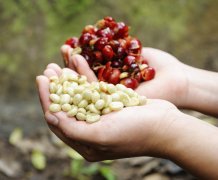
The trade pattern of raw coffee beans is changing, with both challenges and opportunities.
Coffee is our beloved, and global coffee consumption has nearly doubled in the past 40 years, with an average of 2.25 billion cups of coffee consumed every day, of which about 400 million cups are consumed in the United States alone. But do you know where coffee comes from, how it is made, and how it becomes a delicacy in our cups? In order to change the mass consumer
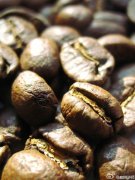
Global Coffee producing area of Papua New Guinea
The frost in 1975 destroyed most coffee crops in Brazil, but stimulated the development of the coffee industry in Papua New Guinea. The Government has implemented a scheme to subsidize rural or collective landowners to create about 20 hectares of coffee plantations. This measure does increase the penetration of coffee in the local economy, resulting in an increase in the annual output of coffee. Papua New Guinea.

Global Coffee producing area-Jamaican Coffee Market
Almost everyone in Jamaica knows that Blue Mountain Coffee is the most expensive coffee in the world. In 1725, Sir SirNicholasLawes brought the first Blue Mountain Coffee species from Martinique to Jamaica and planted them in the St.Andrew area. Coffee producing area of Jamaica: today's St. Andrews is still Blue Mountain Coffee.

The highest Standard of Coffee Culture: coffee Culture in Italy
Manuela Zaragoza, of Italian descent, has something to say to the global coffee chain: now, wherever you go, you can see Starbucks, but you can't see a Starbucks in Italy. But then again, it was while drinking coffee in a bar in Milan that Howard Schultz, the founder of Starbucks, was inspired to build us.

Is the coffee we drink a ridiculous imitation of Italian coffee?
Manuela Zaragoza, who is of Italian descent, wants to talk to the global coffee chain. Now, wherever you go, you can see Starbucks, but you can't see a Starbucks in Italy. But then again, it was while drinking coffee in a bar in Milan that Howard Schultz, the founder of Starbucks, was inspired to build us.
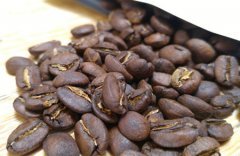
Alishan Coffee beans-what is the pride of Taiwan that Taiwan coffee is of good quality? How about Taiwanese coffee?
"I am very impressed by the appearance of this Japanese bean, which is initially dry and slightly fermented, but at the mouth of the sip, it suddenly turns into a dry, rich, multi-serving sour and sweet fruit, and it tastes indecent. It's amazing, authentic and profound. I'm very glad that Taiwan has been able to make such great Japanese beans!" former president of the Fine Coffee Association of the United States and former Count.
Global coffee producing area-Yemen
Before the 6th century AD, Yemen was called Arabia, so coffee trees shipped from Yemen to other places were also called Arabian coffee trees.